Everyday Quantum
The same idea, sixteen times over. Today we build the world by guessing. Quantum lets us design it for real.
Here is the secret almost nobody explains. The world is built from quantum stuff, and ordinary computers cannot follow its rules. So we invent everything the hard way: mix, test, fail, repeat. A quantum computer plays by nature's own rules. Watch what happens to sixteen everyday things when guessing turns into designing.
First, the whole idea at a glance. Try it below, then scroll the sixteen.
The difference, all at once
Hidden inside every card is the same trick. Somewhere in this grid is one right answer. The old way checks the squares one at a time. The quantum way weighs them all together. Same puzzle on both sides. Press run.
Your medicine, designed instead of discovered

A drug is a quantum puzzle no ordinary computer can solve. So we hunt for medicines by trying millions of molecules and throwing out the ones that fail. It takes about ten years.
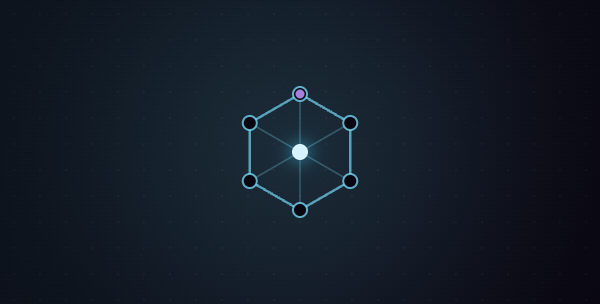
A quantum computer speaks nature's language. It pictures the molecule exactly, so we design the cure that fits on the first try.
Scans sharp enough to catch the invisible

Today's scanners squint at faint signals buried in noise. Tiny tumors, weak heart signals, and the earliest signs of disease can slip past unseen.

Quantum sensors feel the faintest magnetic whisper. They can map a brain or a heart in detail no machine reaches today.
A battery that is designed, not stumbled upon

Better batteries come from mixing chemicals and hoping. Most recipes fizzle, which is why your phone still dies by dinner and electric cars cost so much.
A quantum computer models the chemistry exactly. We can design cells that charge faster, last longer, and weigh less, on purpose.
Every car finds the best route at the same time
Map apps figure out one car at a time, so everybody gets sent down the same clever shortcut. The shortcut becomes the next traffic jam.
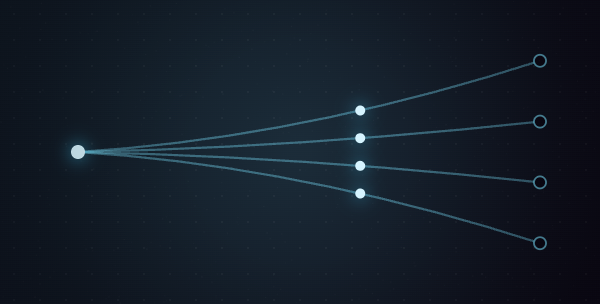
Quantum computers weigh every route for every car at once. Traffic gets balanced before it ever piles up.
The lock on your money, rebuilt for what is coming
The math that protects your bank works only because today's computers cannot crack it. A powerful quantum computer eventually could.

The same physics builds a stronger lock. New quantum-proof codes keep your money private even against a quantum attacker.
A line nobody can tap without getting caught

Anyone can quietly copy your data as it travels the internet, and you would never know you had been listened to.
Send the key as single particles of light. The laws of physics say that spying on them changes them, so eavesdropping always leaves a mark.
Your delivery, routed the genuinely smartest way
Supply chains are a tangle of trucks, warehouses, and choices far too vast to fully plan. So we settle for good enough, and things run late or go to waste.
Quantum computers untangle millions of options at once. Fresher food, fuller shelves, less waste, lower prices.
A forecast that holds more of the sky at once

The air is a quantum soup of countless particles. Our computers can only sketch it roughly, so forecasts blur after a few days and climate models stay coarse.

Quantum machines can carry far more of that complexity. Sharper storm warnings, and a clearer read on the climate ahead.
Feeding the world on a fraction of the energy

The fertilizer that grows our food is made by brute force, a process that burns roughly two percent of all the world's energy. Nature does the same trick at room temperature, and we cannot copy it.
A quantum computer can finally model that natural reaction. Crack it, and we feed billions while slashing the energy it takes.
Catching sunlight without losing most of it
Today's solar panels waste much of the light that lands on them, and better materials are still found by slow trial and error.
Quantum simulation designs materials that grab far more of the sun, and catalysts that turn sunlight straight into clean fuel.
Inventing materials we cannot even picture yet

Every new material, from lighter metals to room-temperature superconductors, is hunted by guesswork. Most experiments crack, melt, or simply flop.
Quantum computers simulate a material before anyone builds it. We design the impossible stuff on purpose, then go make it.
Seeing underground without digging a hole

To find a buried pipe, a hidden sinkhole, or water deep below, we mostly dig and hope. Surveys are rough, and the surprises are expensive.

A quantum sensor feels the tiny tug of gravity from whatever lies beneath. It maps the hidden world from the surface, no digging required.
Finding your way when the GPS goes dark
GPS vanishes in tunnels, deep water, and anywhere the signal is blocked or jammed. Without it, ships, planes, and phones drift and guess.

Quantum motion sensors track every turn and step from the inside. They keep you precisely located with no satellite at all.
A clock so steady it reshapes everything timed

Ordinary clocks drift, so the systems built on them, finance, power grids, the internet, GPS itself, need constant correcting and still wobble.

Quantum atomic clocks keep time to a sliver of a second over millions of years. Everything that leans on precise timing gets sharper.
Sensing what is built to stay hidden

Radar and radios can be jammed, spoofed, or slipped past by stealth. In the worst moment, the very tools meant to see can go blind.

Quantum sensing and communication are far harder to fool or tap. They can spot what hides from radar and keep links private under attack.
Navigating deep space with no signposts

Far from Earth there is no GPS, and a radio round-trip can take hours. Spacecraft navigate by dead reckoning and wait on delayed signals.
Quantum clocks and sensors let a craft fix its own position precisely, and quantum links promise secure connections across the solar system.
We stop guessing.
We start designing.
Notice the pattern. Every card was the same story. The world runs on quantum rules, and ordinary computers cannot follow them, so we build everything the hard way: mix, test, fail, repeat.
A quantum computer plays by nature's own rules. For the first time we can picture matter exactly and design with it, instead of guessing at it. That is the real change. Not a faster computer. A new way for humans to design almost everything.